Arctic Biology, spring
Take AB-329/829 Arctic Winter Ecology, AB-327/827 Arctic Microbiology and the Sea Ice Ecosystems block together, and follow Arctic ecosystems as the polar night recedes and summer arrives.


UNIS courses supplement the education at universities on the mainland. You spend a semester or a block in Longyearbyen, with Svalbard’s nature as your laboratory.
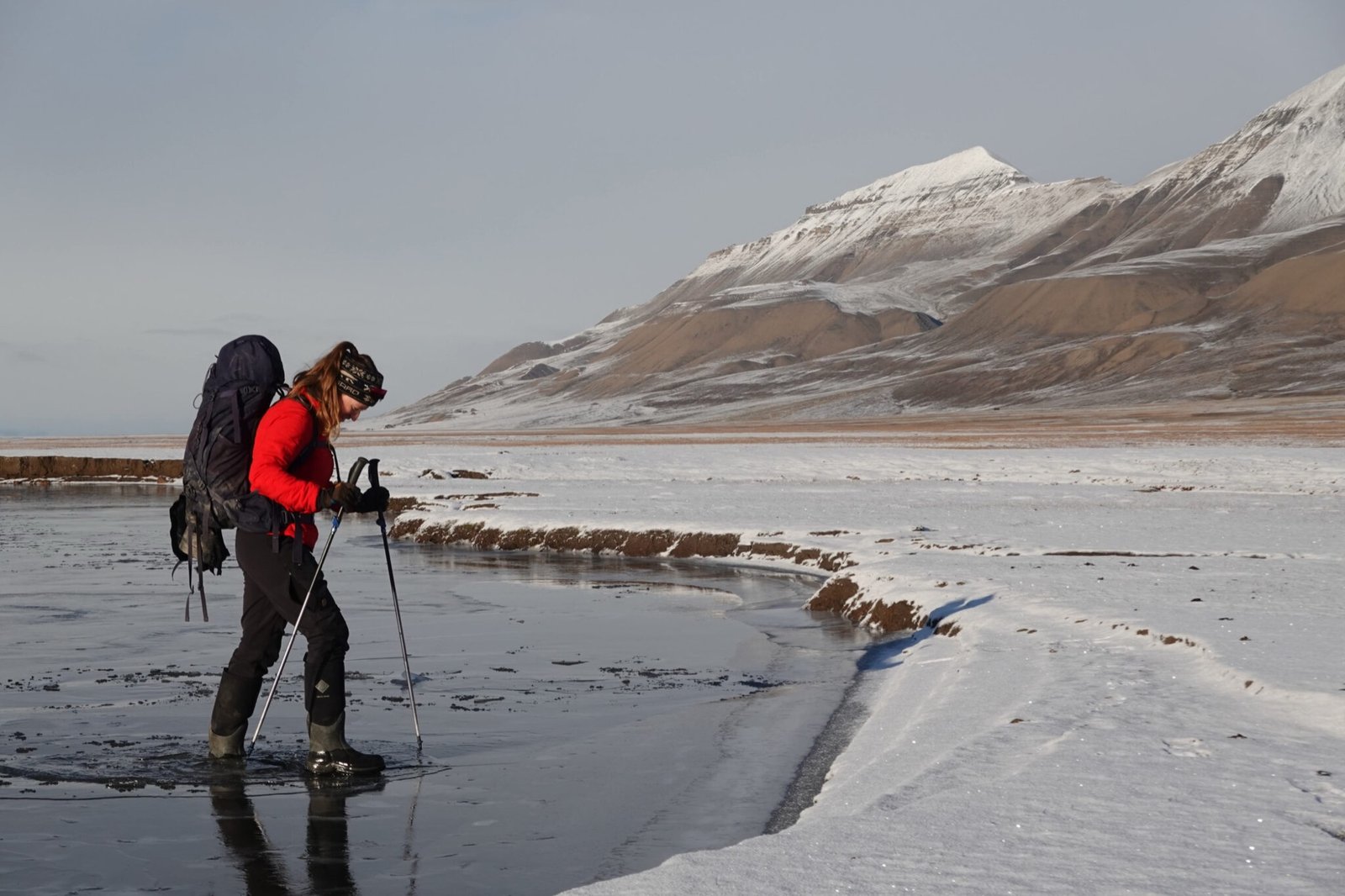
Bachelor courses (200 level) fill a whole semester: choose two to make 30 ECTS, since full-semester applicants get priority. Master and PhD courses (300 and 800 level) are shorter and more intensive, from a few weeks up to a semester.
53 courses shown
No courses match this combination. Try another level.
Course numbers with two levels, such as AB-320/820, are taught together at master (300) and PhD (800) level. Some courses run every other year. Check each course description for dates, prerequisites and learning outcomes.
Each department recommends combinations, so one stay gives you a whole picture rather than single pieces.
Take AB-329/829 Arctic Winter Ecology, AB-327/827 Arctic Microbiology and the Sea Ice Ecosystems block together, and follow Arctic ecosystems as the polar night recedes and summer arrives.
Marine Ecology of the Arctic Ocean, AB-332/832 Arctic Marine Molecular Ecology and AB-340/840 Climate Change Biology follow the short Arctic summer into the polar night.
Two courses run in each block, from AT-305 and AT-331 in January to AT-332 and AE-343 in November, so you can stay for one block or several.
A new pilot from autumn 2026, built on Arctic Safety Centre courses including AS-102 and AS-370.
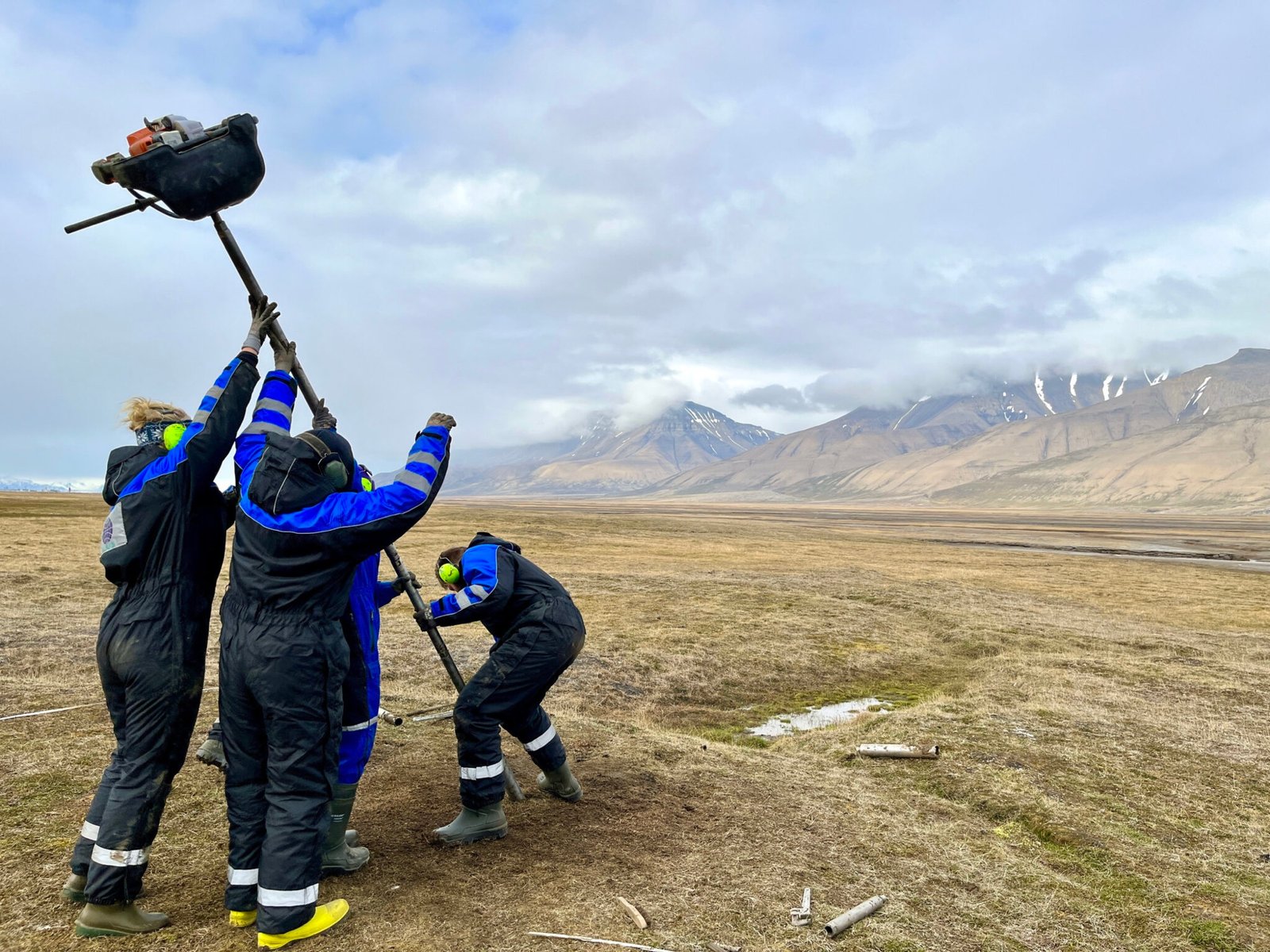
Bachelor, master and PhD students can do fieldwork or their thesis at UNIS as guest students. You need a UNIS supervisor, a project within UNIS’ research themes, and a stay of at least three months.
Bachelor students can also join planned fieldwork as field or lab assistants through UNISprout.
How guest students apply